Day 0 – Drive to Sevilla
For our latest adventure, we dusted off the panniers and geared up for another bikepacking journey. Since early spring in Braga remains fairly wet, we sought a warm, dry escape. We headed to Andalusia, Spain, where the sun shines 300 days a year and spring temperatures perfectly suit outdoor activities.
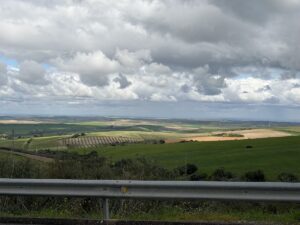
We loaded the bikes and made the seven-hour trek to Sevilla. The drive was pleasant, especially through Portugal’s Alentejo region, where vibrant green grass blanketed the rolling hills of endless olive orchards. In Sevilla, we dropped the bikes at the hotel and drove to the airport; parking the car there for the week saved us a lot of money. After hopping a cab back to the hotel, we marveled at the weirdness of visiting an airport without catching a flight. We capped the night with excellent birria tacos—one of our favorite things about Spanish cities is the great Mexican food—and a Belgian beer.
Day 1 – Sevilla to El Coronil
The ride out of the city was actually enjoyable thanks to smart city planning and endless bike paths. While the rest of the ride featured fairly boring farmland, disaster eventually struck. Less than 10 km from El Coronil, the pavement turned to gravel. We expected a surface change, but we didn’t expect what came next.
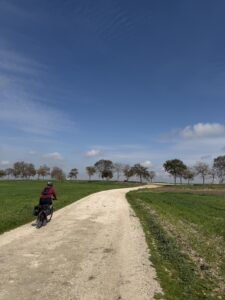
At first, beautiful rolling hills and distant mountains finally provided the scenery we had imagined. Then came the mud. Small creeks—likely dry in summer—cut across the road. Recent heavy rains had transformed the gravel into a muddy mess. We should have turned back at the first crossing to find an alternate route, but we pushed on, thinking the path would clear. By the third or fourth crossing, we realized we were committed.
The crossings grew deeper and muddier. We tackled about ten in total, leaving us exhausted. Mud caked our bikes and shoes like clay, eventually seizing the wheels against the fenders. Those last 10 km took 90 minutes. When we arrived, the hotel owner—rightfully so—refused to let us in covered in filth. He pointed us toward a gas station high-pressure sprayer. Once we blasted the mud off our gear, we finally tucked the bikes away. Since El Coronil is small, we struggled to find dinner until a local bar owner directed us to the one kitchen likely to be open. Luckily, the food was excellent, helping us forget the day’s struggles.
Day 2 – El Coronil to Zahara
The next morning, with wet shoes and fresh memories of the mud, we seriously considered calling it quits. We debated finding a ride back to Sevilla to finish the trip by car. However, we agreed that if we could dry our shoes, we would continue. The hotel cleaning lady saved the day with a hair dryer. After thirty minutes blowdrying the shoes, we were dry and ready to ride, albeit with a late start.

The ride to Zahara de la Sierra featured two massive climbs. Climbing soon became the theme of the tour; Andalusia offers stunning beauty, but it demands a lot of vertical work. We updated the rest of the route to avoid gravel, desperate to avoid more mud. (The mud found us anyway, but more on that later). After the first climb, we refueled at a small village pension. They served tortilla batata bocadillos—perhaps my favorite Spanish snack. It tasted so good I almost cried.
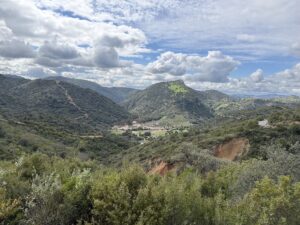
A landslide had closed the road to Zahara, but a local assured us it was passable on foot. We went for it. It was barely passable. We picked up more mud, but our shoes stayed relatively clean. After scraping the tires and fenders, we rolled toward Zahara de la Sierra. The view took my breath away: a white-washed village nestled at the base of an impossibly steep cliff, topped by a Moorish castle. Getting into the village was no picnic, though; I had to walk my bike up the final few blocks. We ended the day with a much-needed Moroccan dinner.
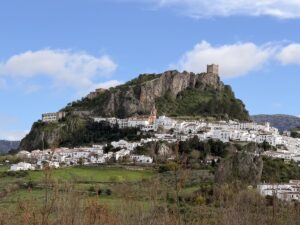
Day 3 – Zahara to Ronda
Day 3 brought more big climbs—specifically, two one-hour grinds. A one-hour climb drains you mentally as much as physically; you pedal endlessly and feel like you’re making no progress. Luckily, the scenery distracted us from the “suffer fest.”
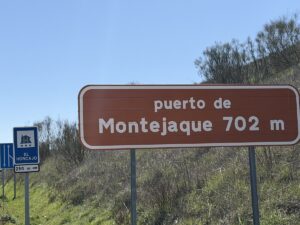
We encountered another landslide detour, this time opting for the highway route. Upon reaching Ronda, our bikes were still struggling with the previous days’ mud. We dropped them at a local shop for servicing and headed to a lunch spot packed with locals. If the locals dig it, it must be good. For 13 euros, the menu del dia provided a drink, starter, entree, dessert, and coffee. When we picked up the bikes, the technician pointed out an inch-long gash in my rear tire—a great catch that prevented a future blowout. With a new tire, the bike rolled like new. Ronda rewarded our efforts with pistachio cheesecake, wood-fired pizza, and Paulaner on draft.
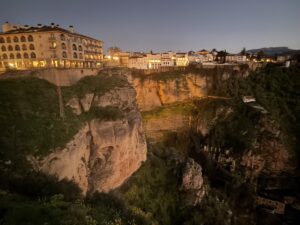
Day 4 – Ronda to Casarabonela
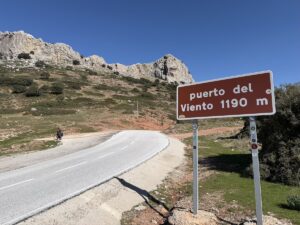
Today may have been the peak of the trip. The route through Sierra de las Nieves National Park offered incredible mountain views and forests that seemed to stretch forever. Two more one-hour climbs made for “tough sledding,” but the sunny, mild weather helped.
In one small village, we found every restaurant closed, so we settled for rolls and cheese from a bakery and gas station snacks. On the way out of town, Emi’s chain slipped and jammed between the crank and the frame. Using teamwork, we yanked the chain from different directions until it popped loose. With oil-covered hands, we got back on the road—disaster averted. After the final climb, we coasted all the way down into Casarabonela for dinner at a family-owned and operated restaurant again popular with the locals and a stay in a historic building in the town center.

Day 5 – Casarabonela to Malaga
Finally, an easy day! We traded climbs for rolling hills and joined many other cyclists on the road. I even drafted a road cyclist for a bit and beat him up a small hill; I don’t think he liked that! Arriving by bike into big cities can sometimes be intimidating with all the extra car traffic. Luckily, we found a smooth route with bike paths leading straight to our hotel. Completing the tour felt incredible.
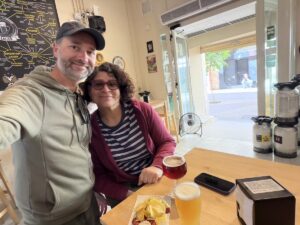
We are falling in love with Malaga. So far, only two European cities—A Coruña and now Malaga—feel like places we could actually live year-round. I wouldn’t be surprised if we move here in five to seven years. It checks every box: mild climate (warmer summer months than we like but not super hot), cycling-friendly, a pickleball community, great transit, and incredible food.
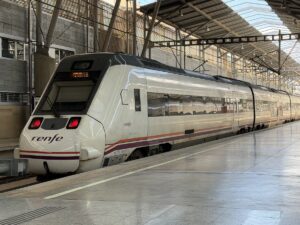
The train ride back to Sevilla was a bit of a scramble—you essentially have to “bully” your way onto the train with the bikes—but the ride itself was pleasant. The next morning, we retrieved the car and headed home.
Recap
I loved the natural beauty, even if the climbs challenged me. I’m proud that we overcame the obstacles rather than giving up. While I’d love to cycle here again, I’d trade the touring bike for a road bike and stick to paved loops and out-n-backs. Traveling by bicycle allows you to see the world in high definition, meeting locals and seeing places far off the normal tourist circuit. Next stop: the Netherlands! Bye for now…

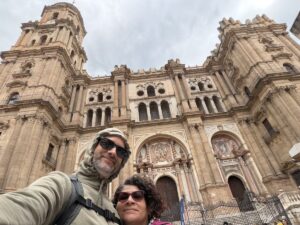
Malaga cathedral
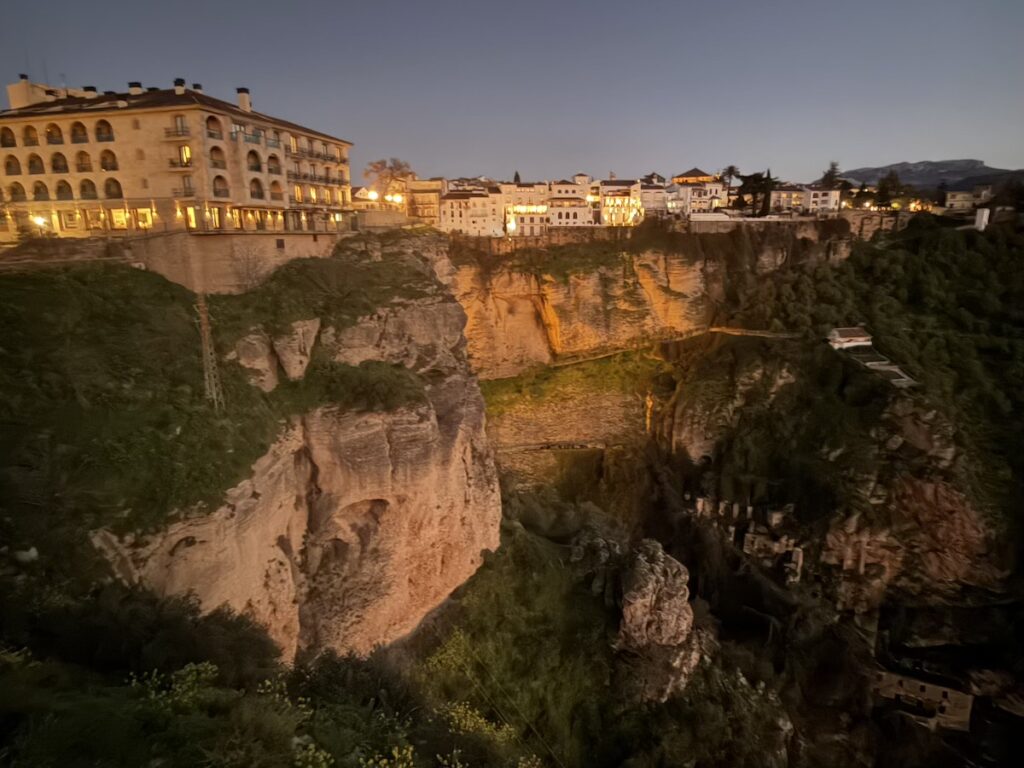
Ronda at night
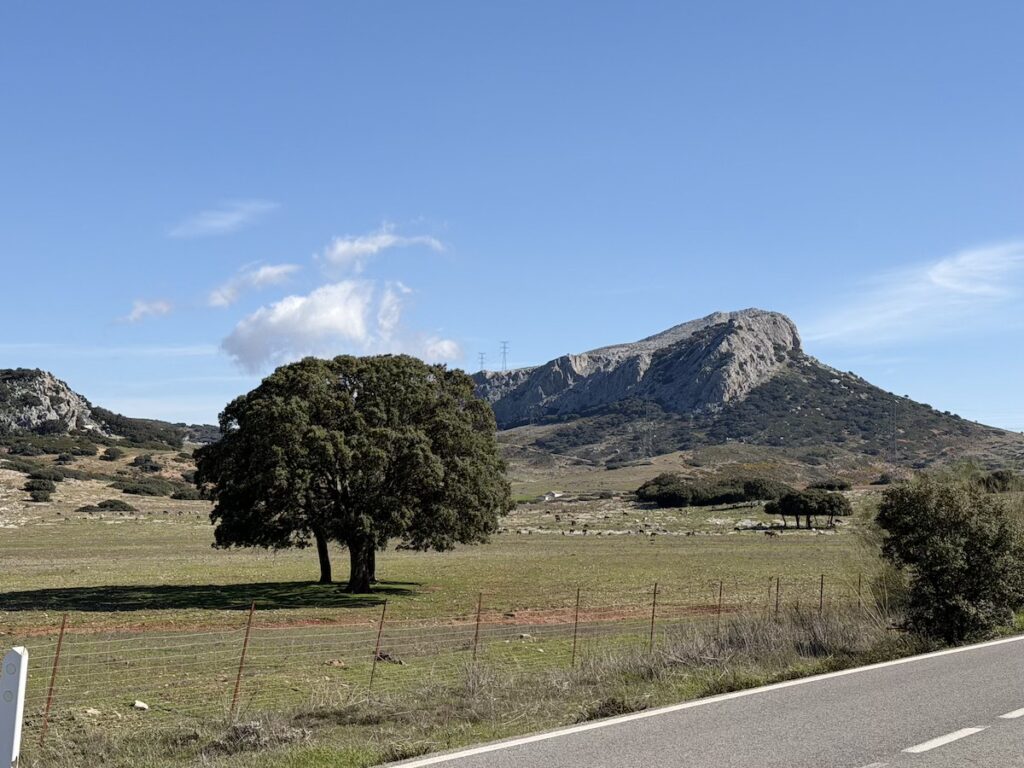
mountains of Andalucia

one of the mountain passes we had to climb
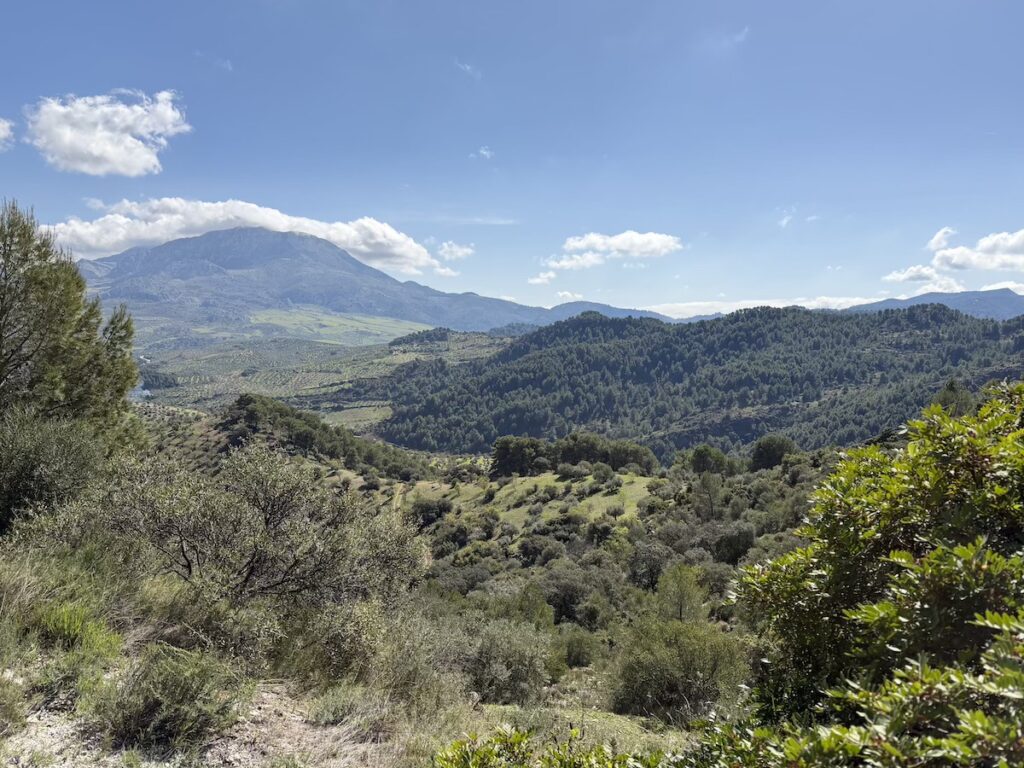
mountains of Andalucia
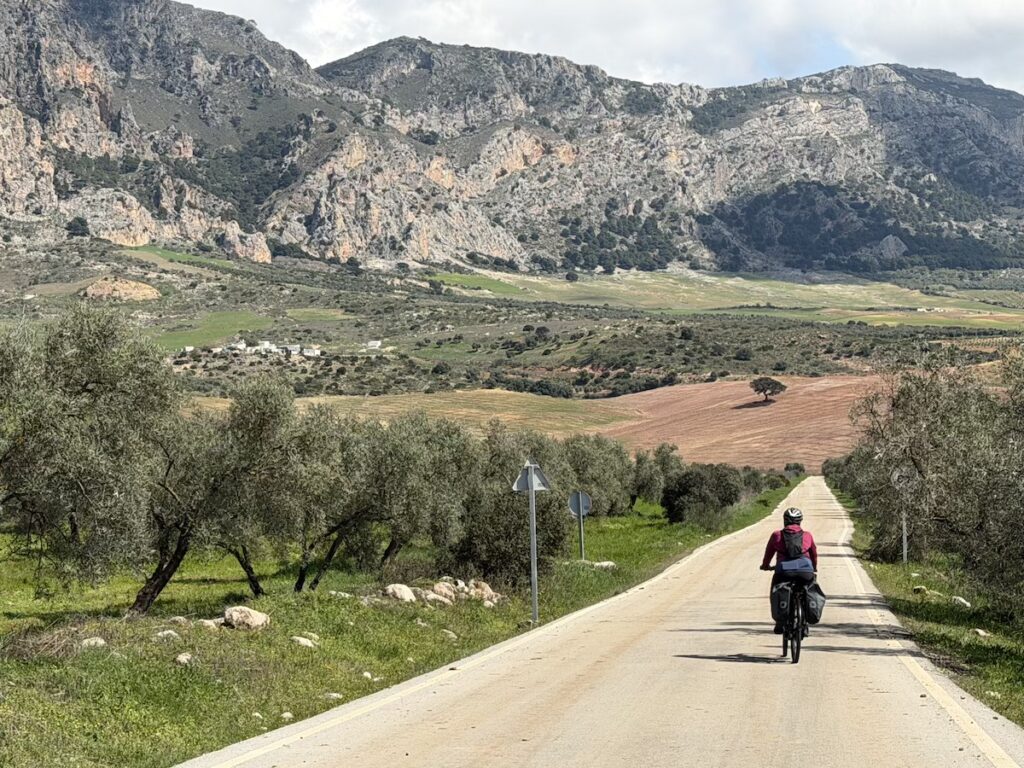
the ride from Ronda to Casarabonela
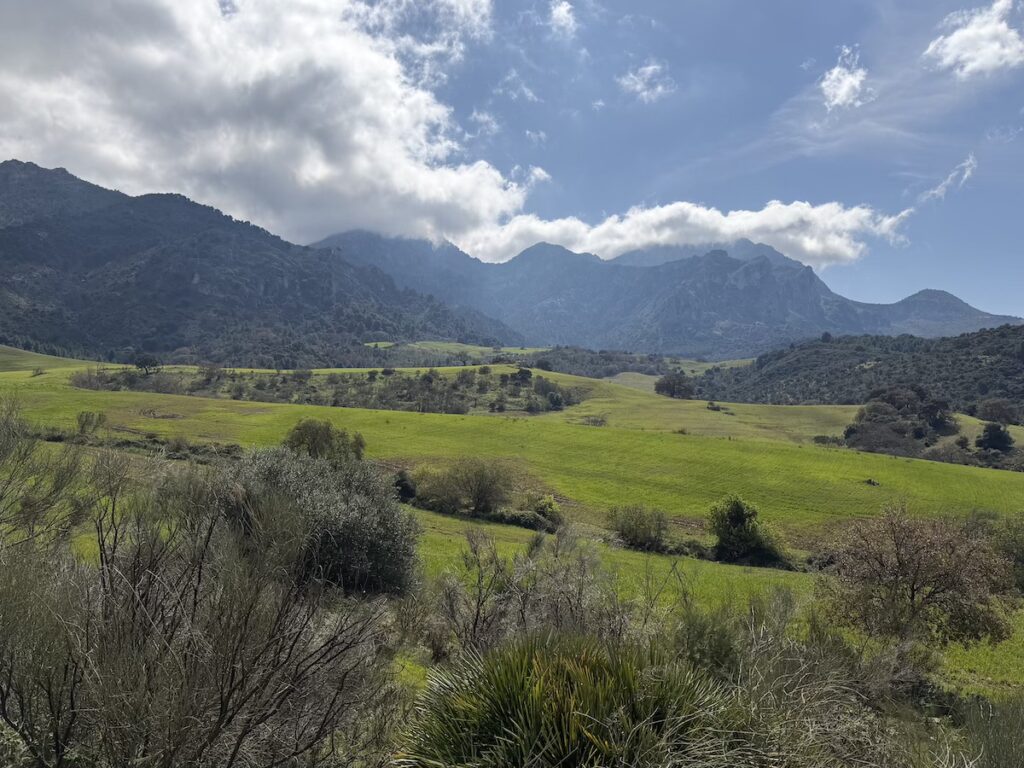
mountains in Andalucia
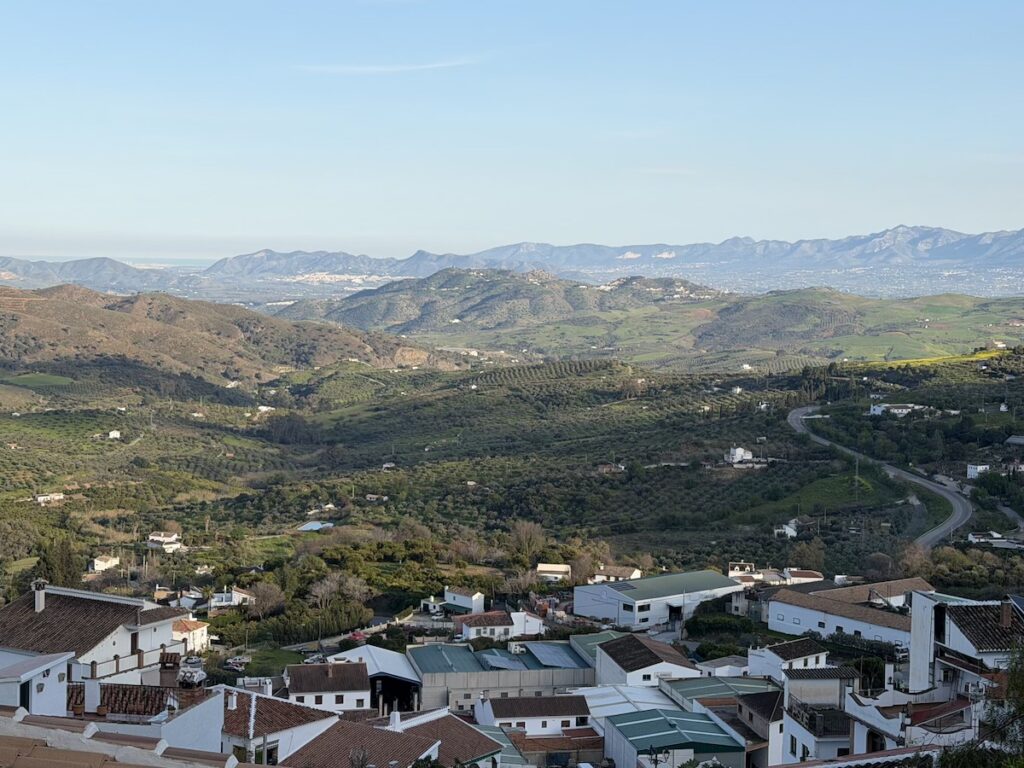
views from Casarabonela

Casarabonela
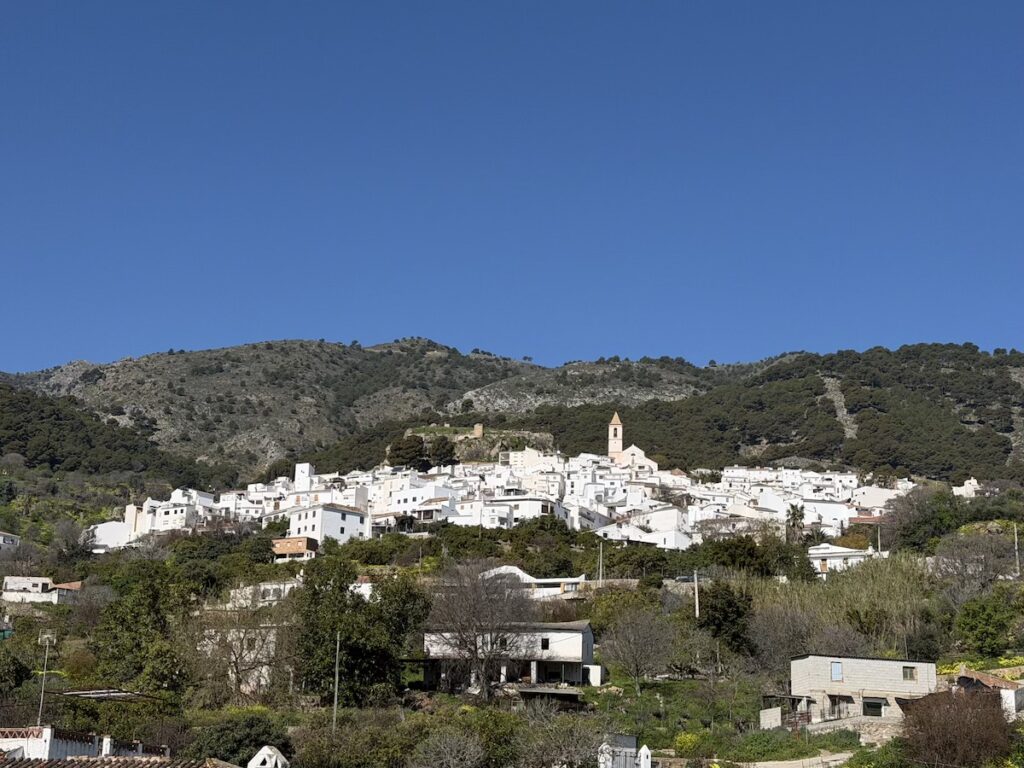
Casarabonela
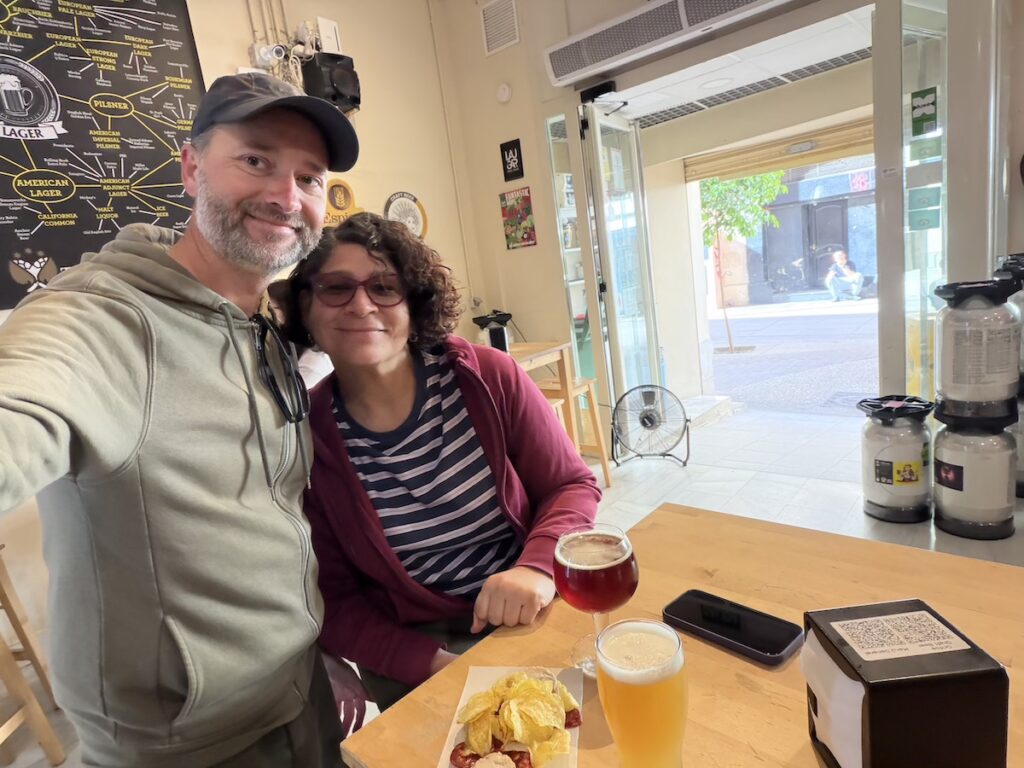
first celebration beer after completing the 5 day tour

darts at Irish bar in Ronda; 3 triple 20’s 🙂
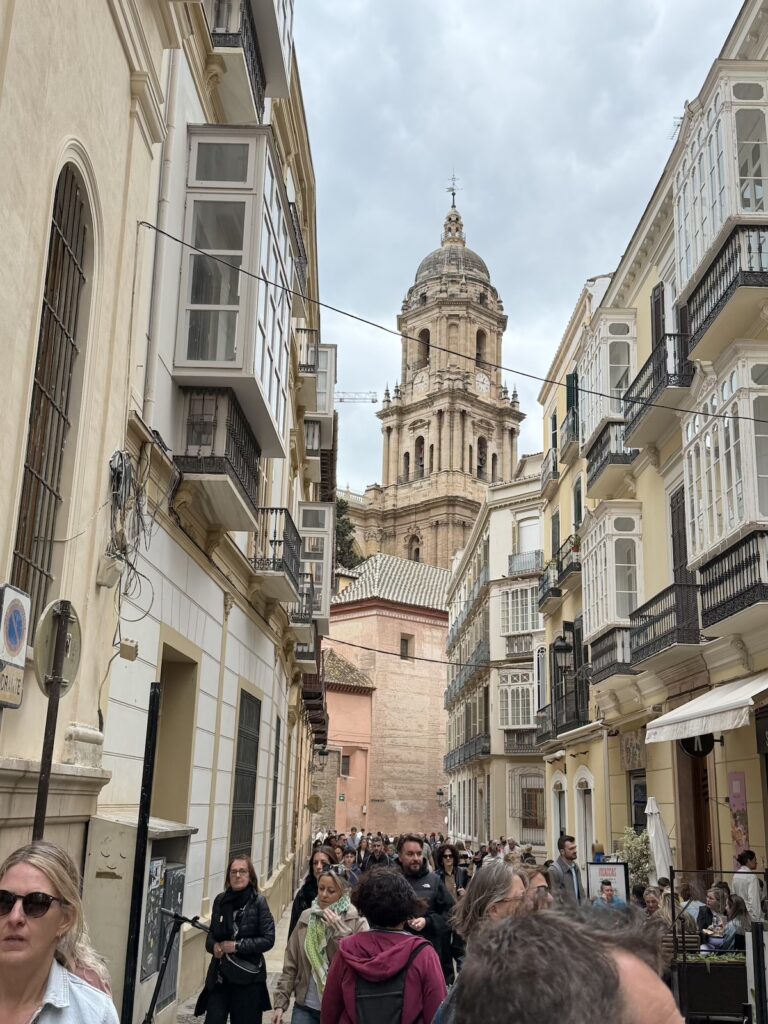
Malaga cathedral
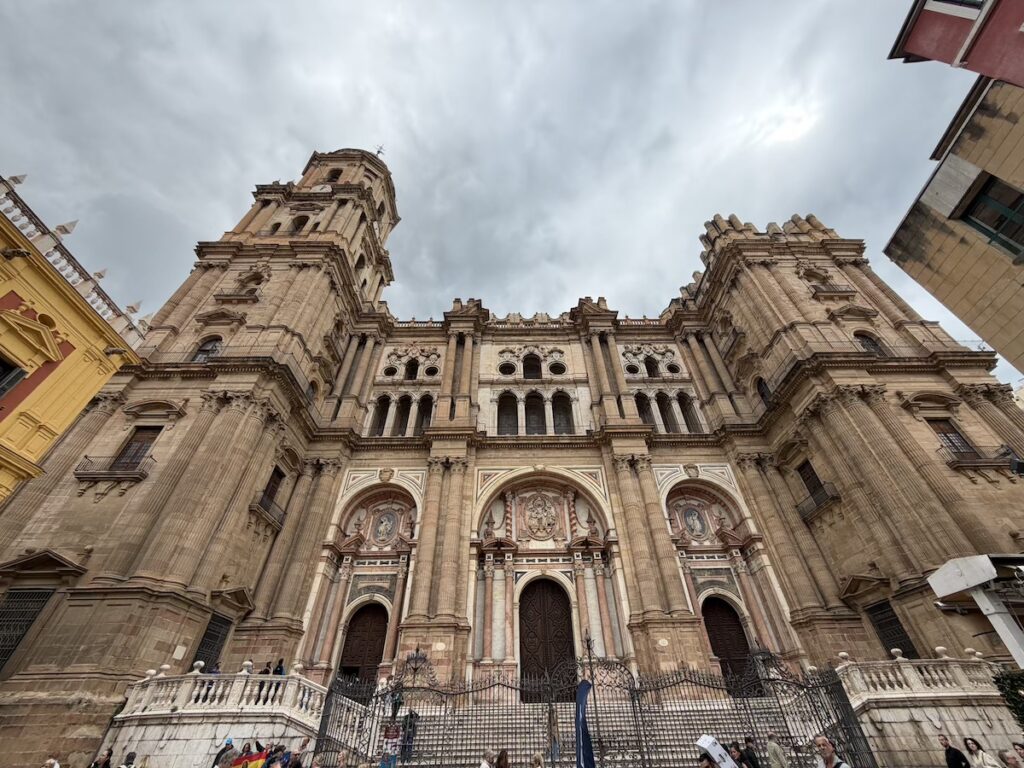
Malaga cathedral
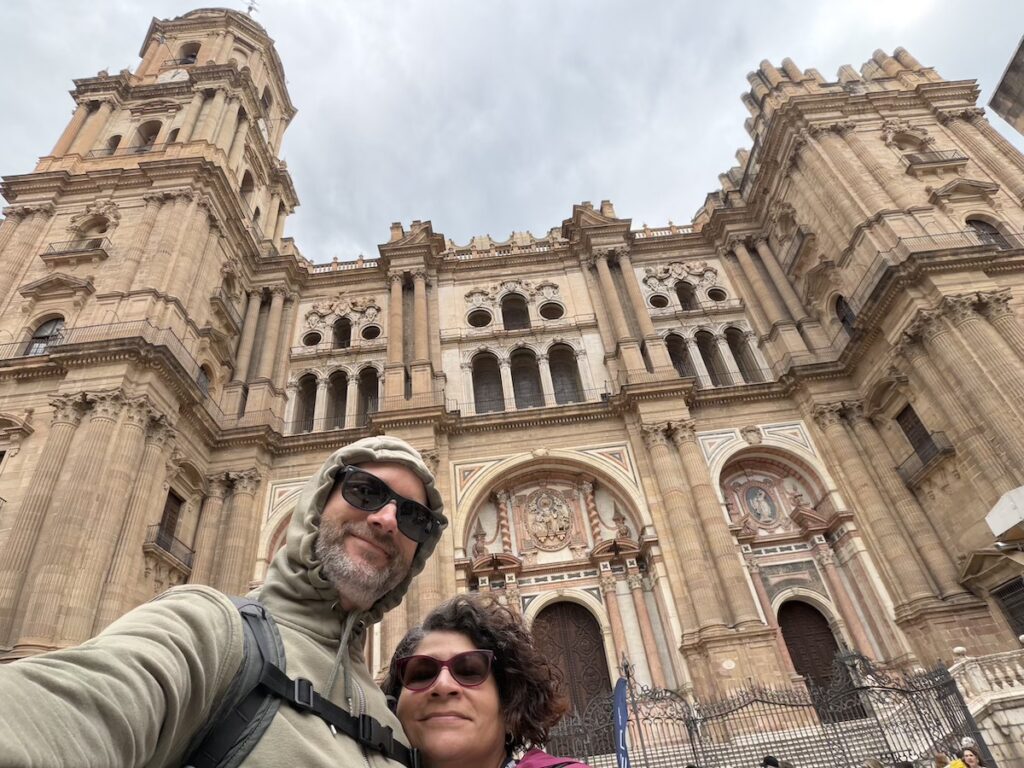
Malaga cathedral
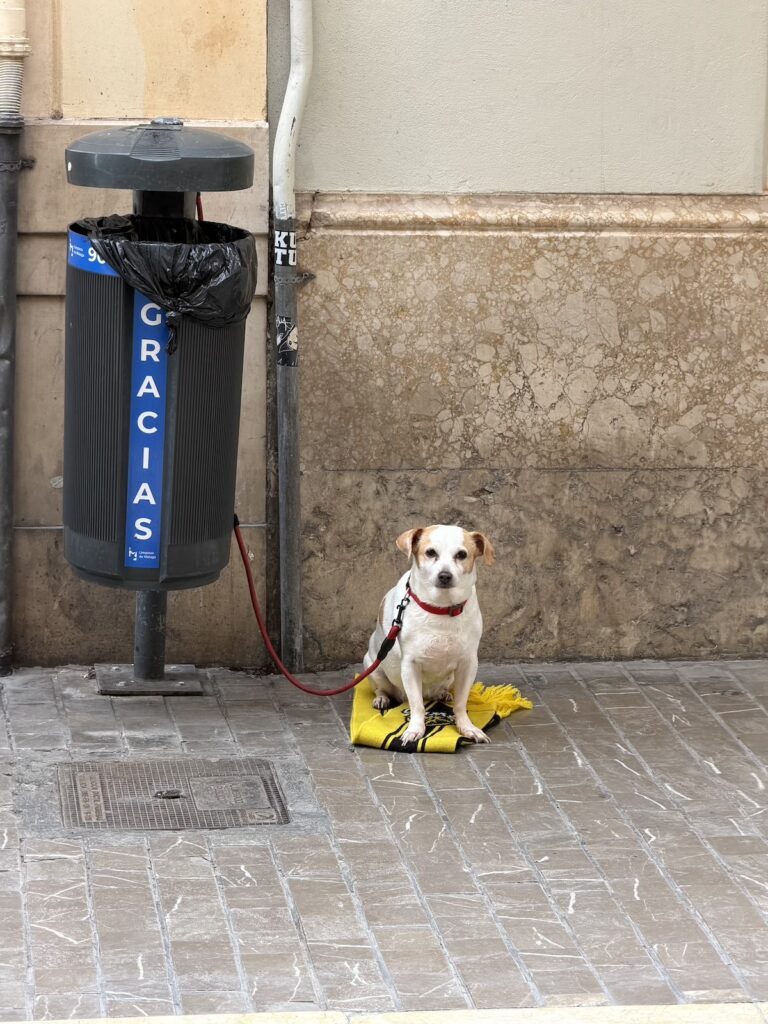
cool dog in Malaga

street mural in Malaga
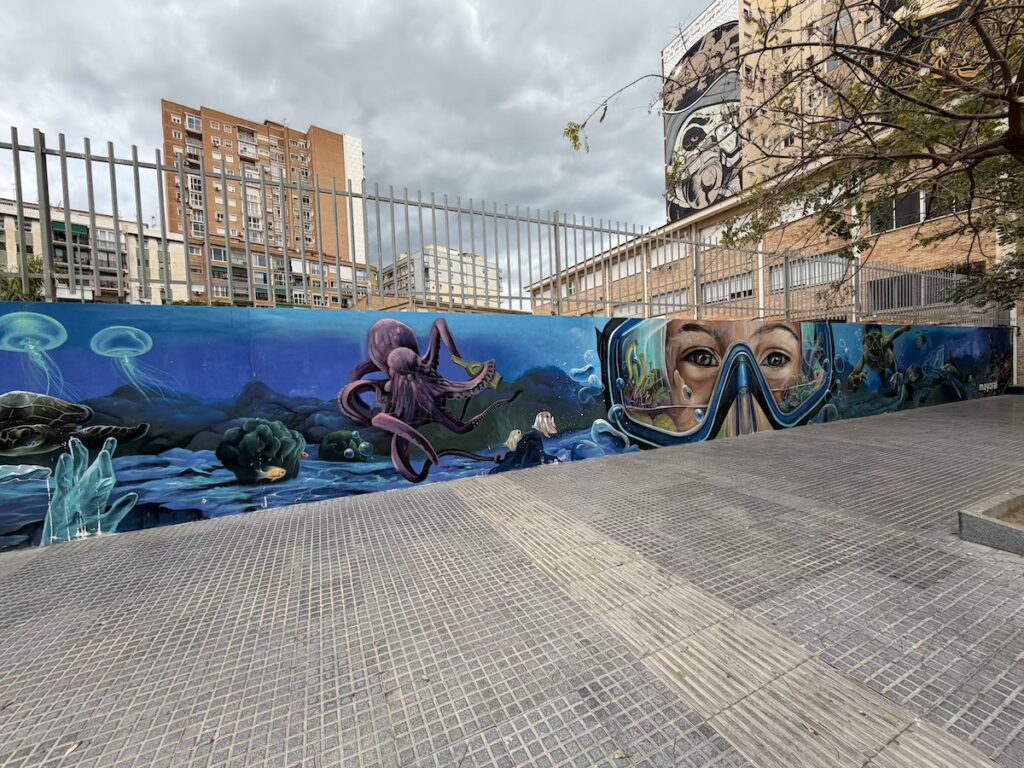
street mural in Malaga
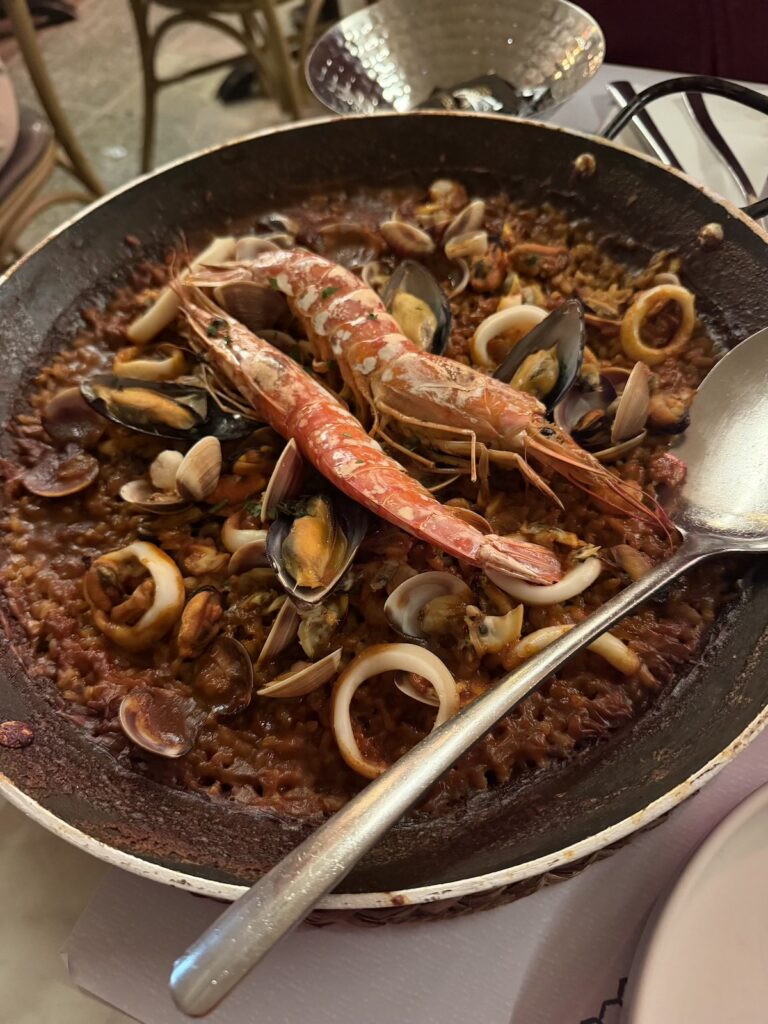
seafood paella on our last night in Malaga
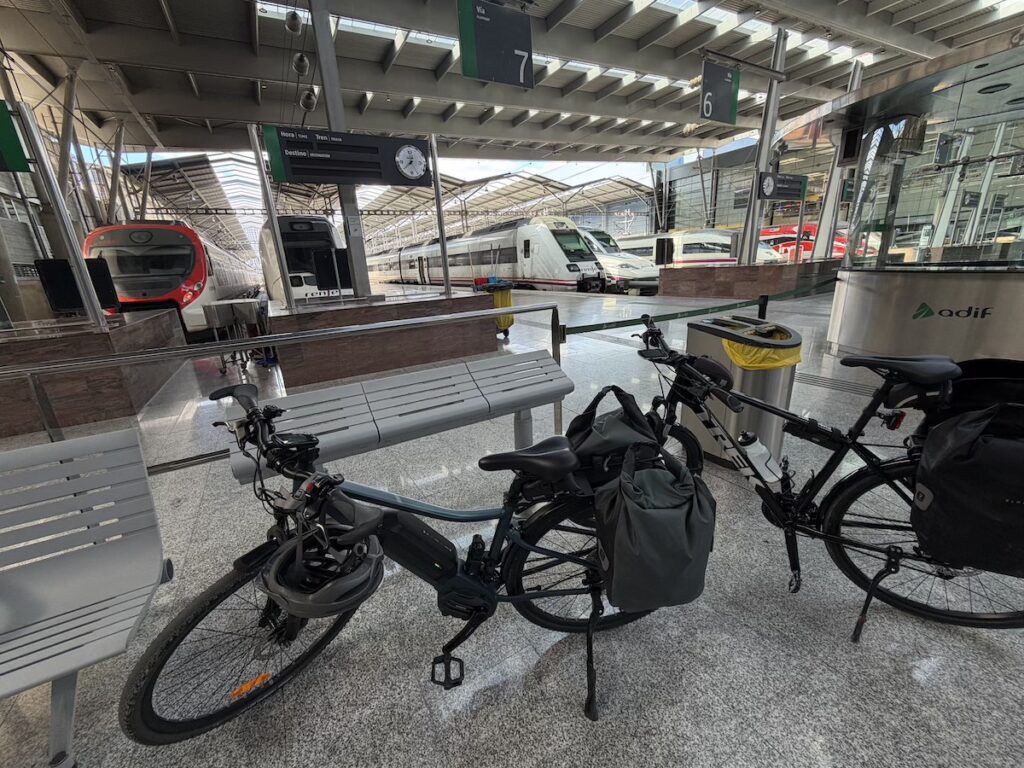
train from Malaga back to Sevilla
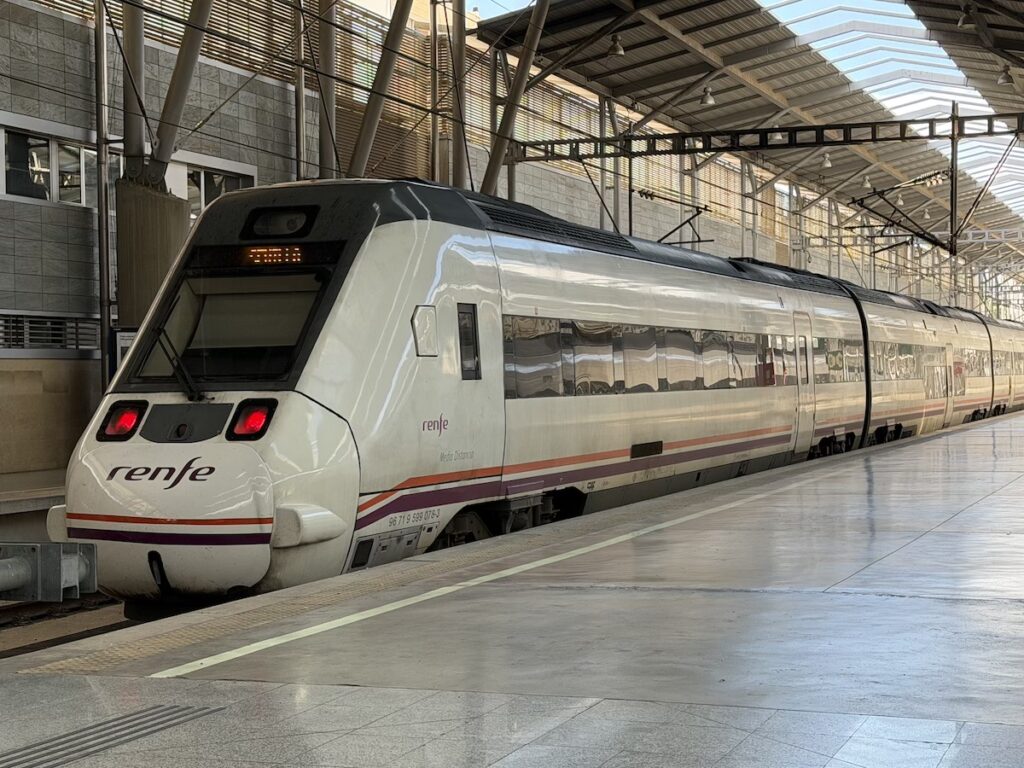
train from Malaga back to Sevilla

mountains of Andalucia
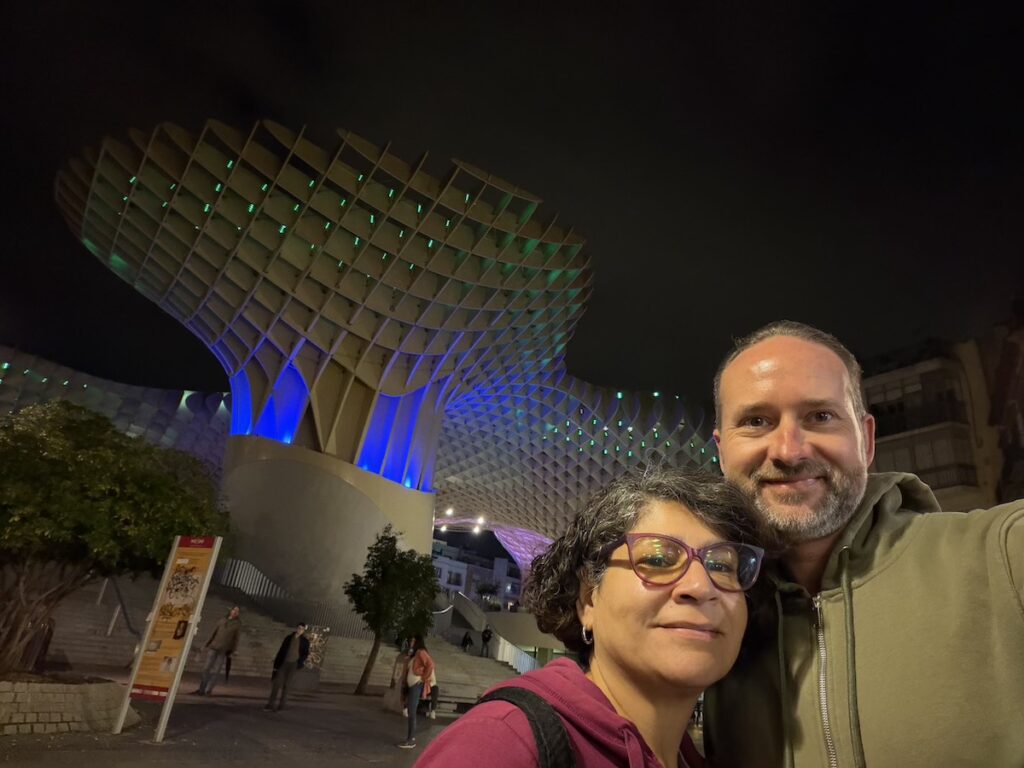
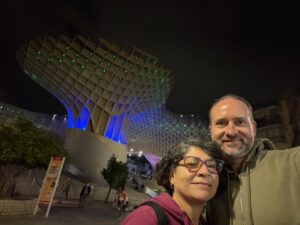
Sevilla at night – Setas

leaving Sevilla
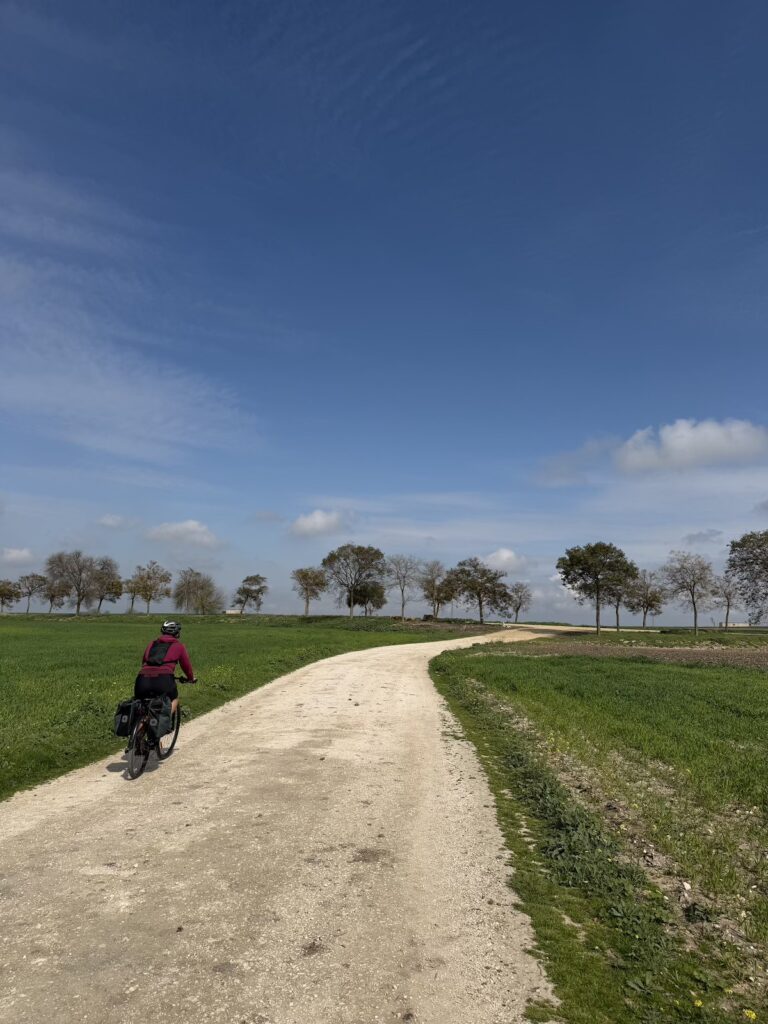
Sevilla to El Coronil – just before the mud disaster
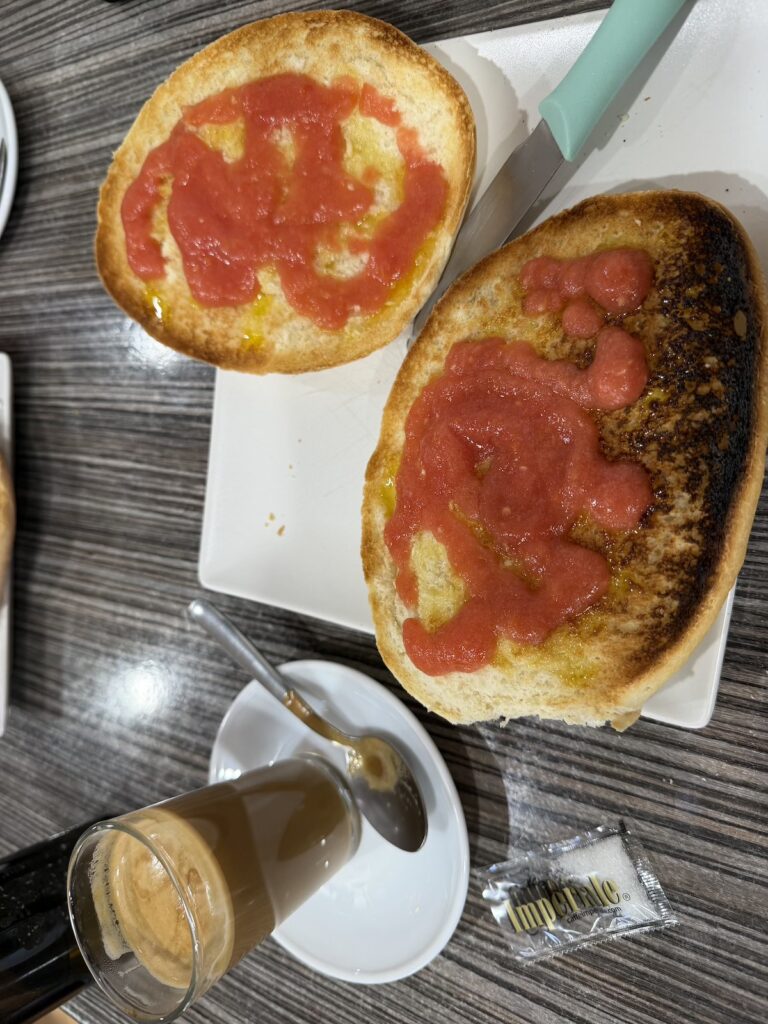
our simple breakfast of tomate e pan – the only option in these small villages

old castle along the side of the road

beautiful rolling hills
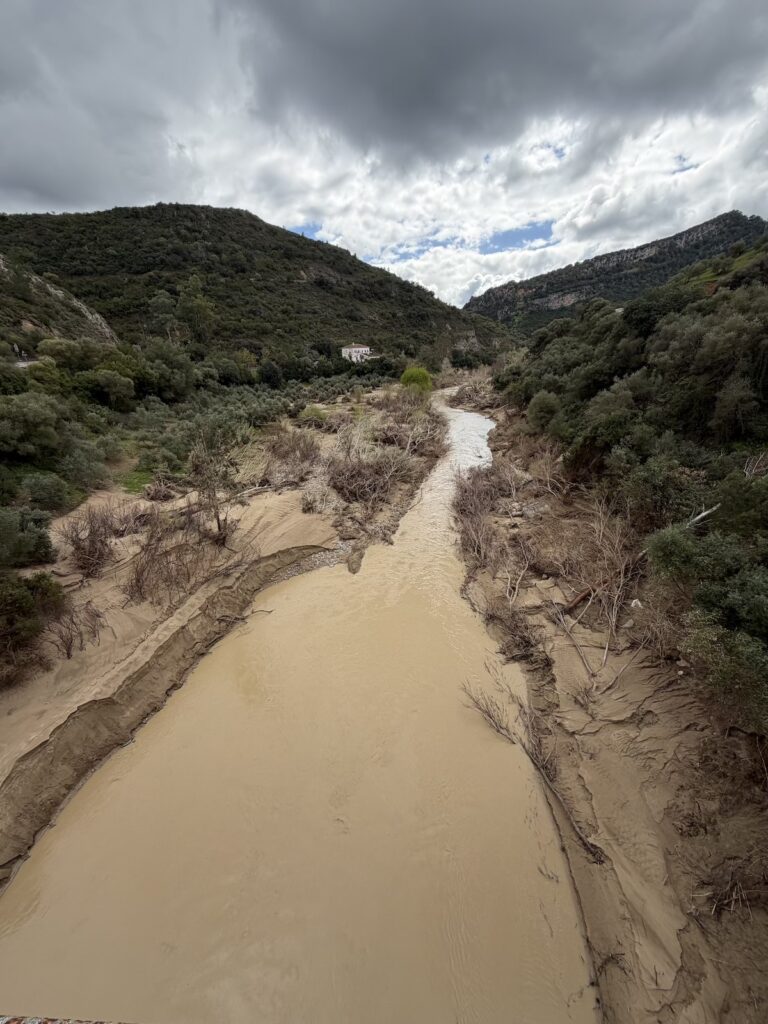
crazy recently flooded river
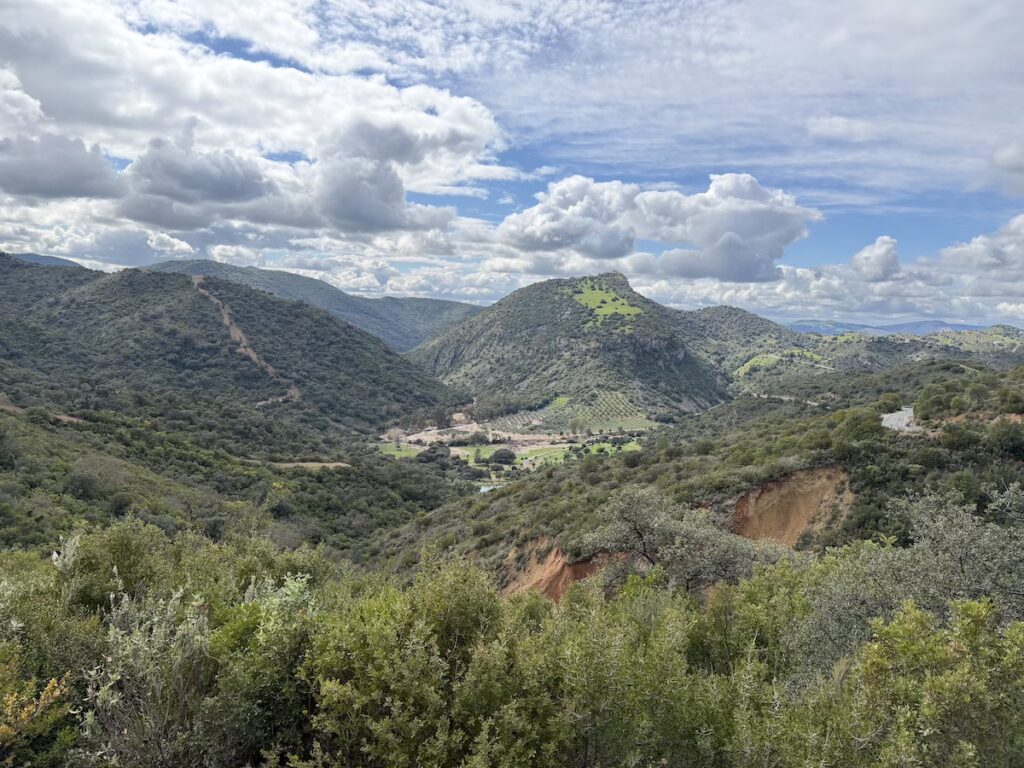
mountains of Andalucia
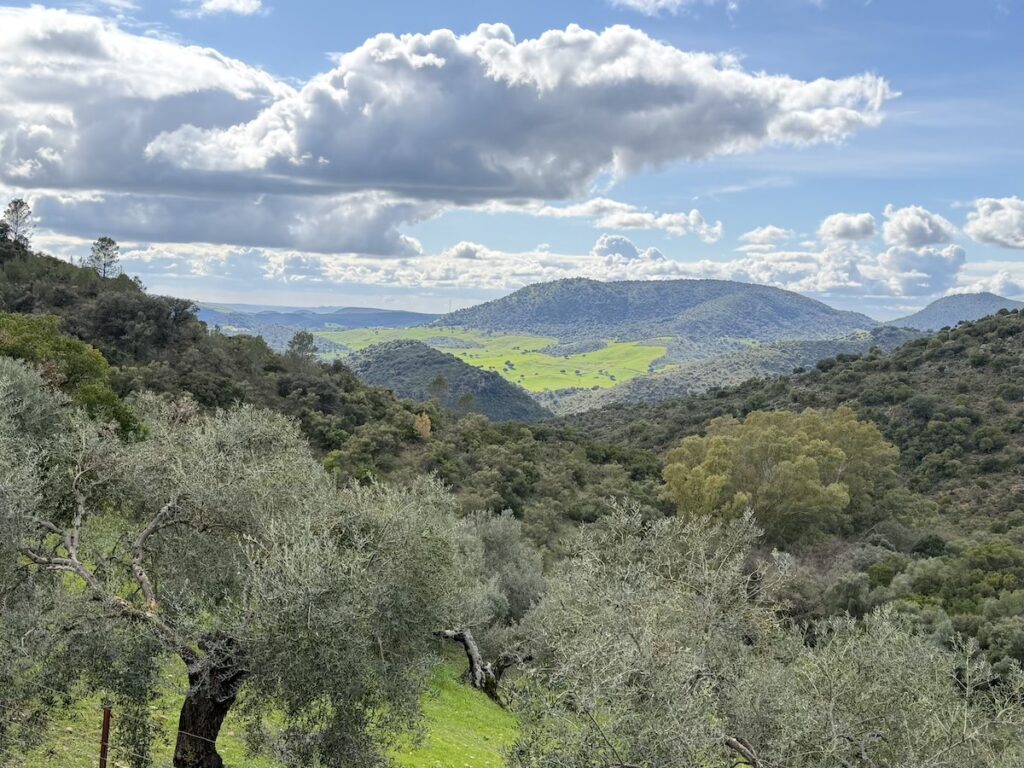
mountains of Andalucia

Zahara in the distance
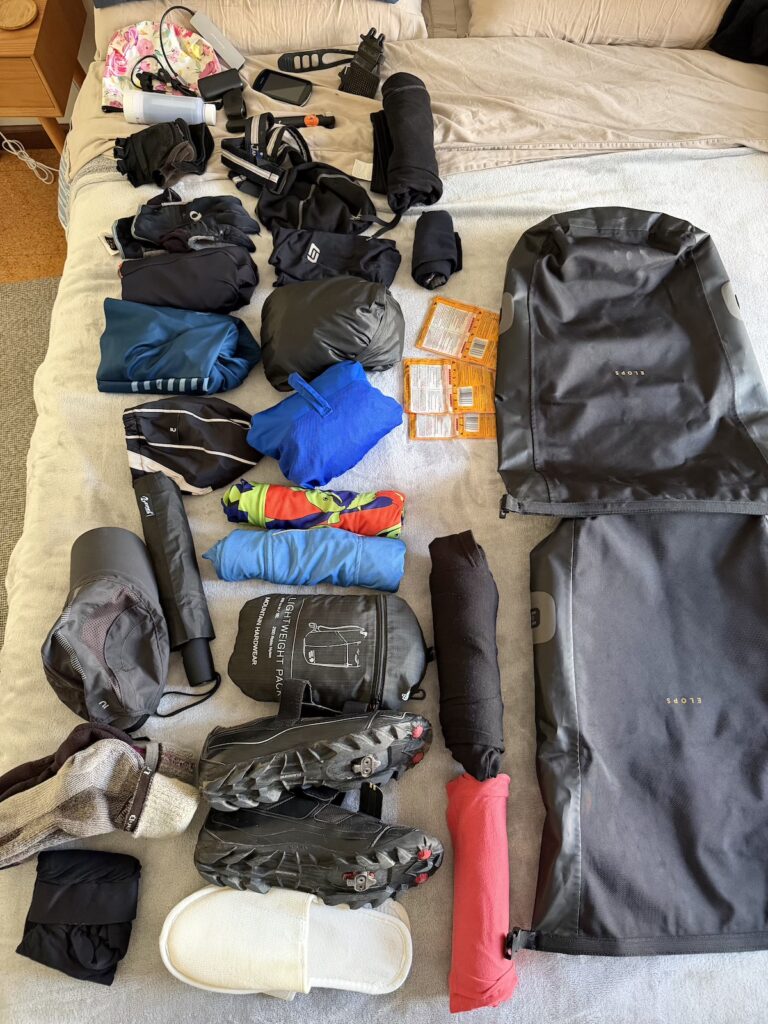
mandatory gear photo 🙂
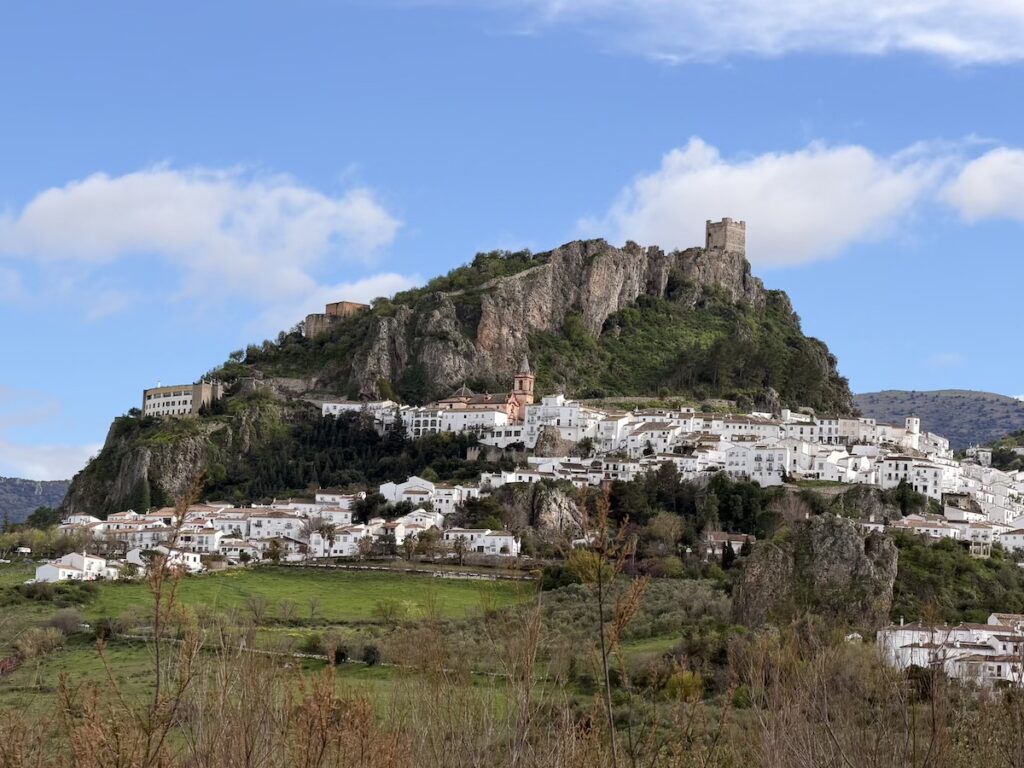
Zahara de la Sierra
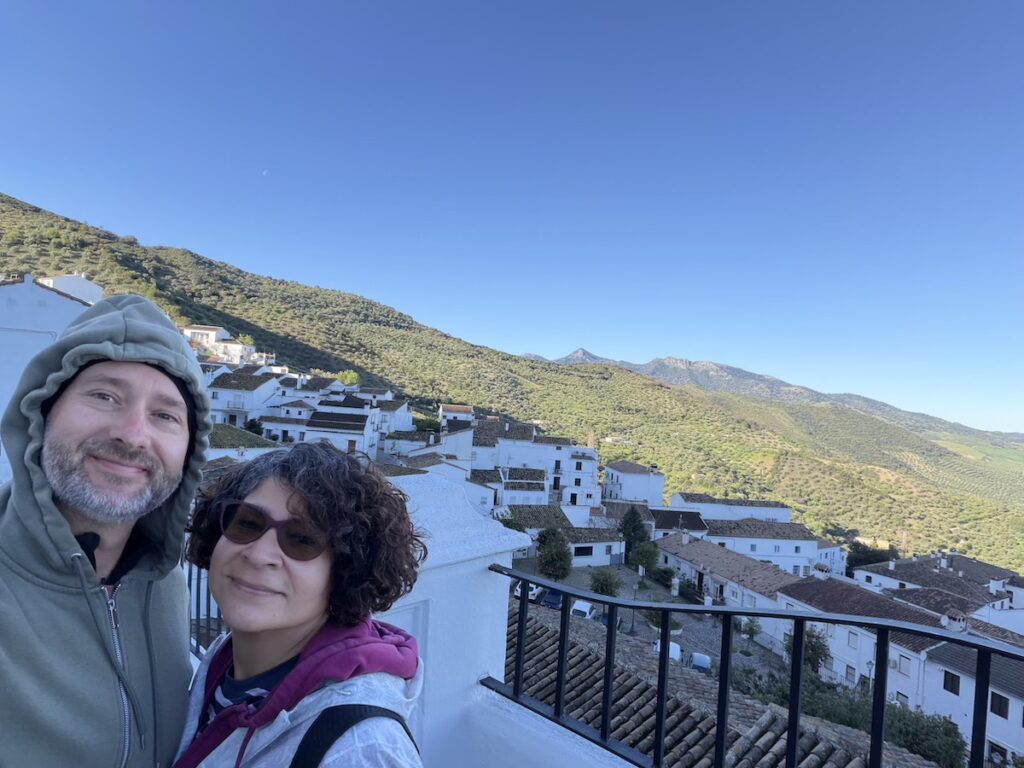
Zahara de la Sierra
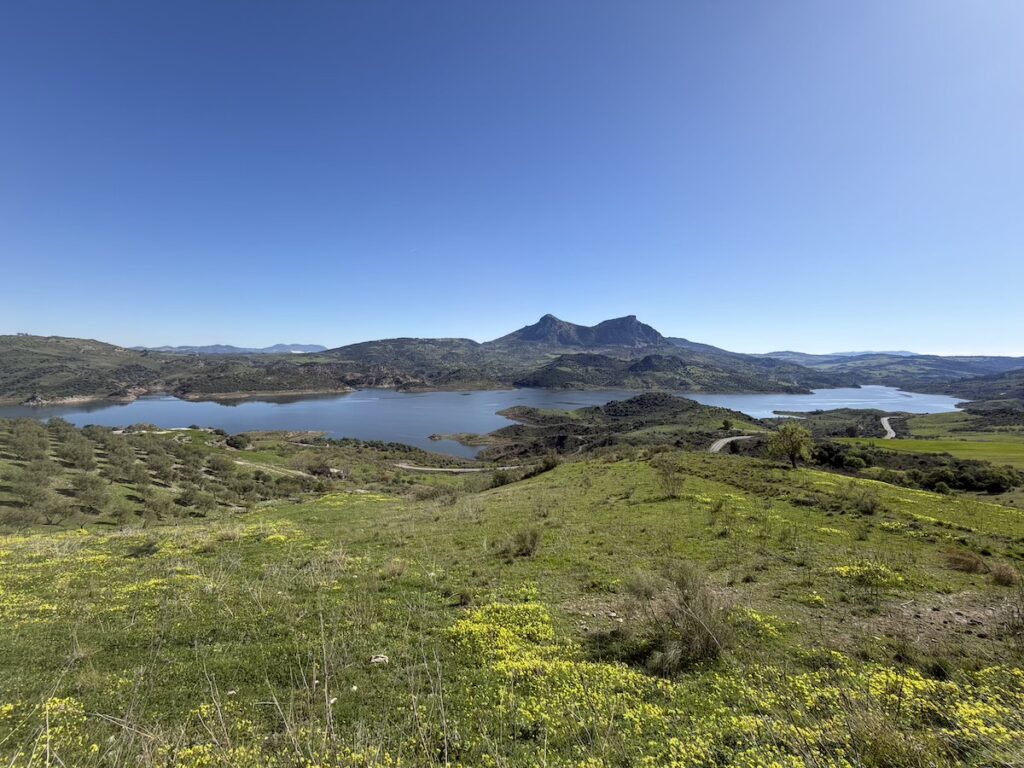
reservoir near Zahara de la Sierra
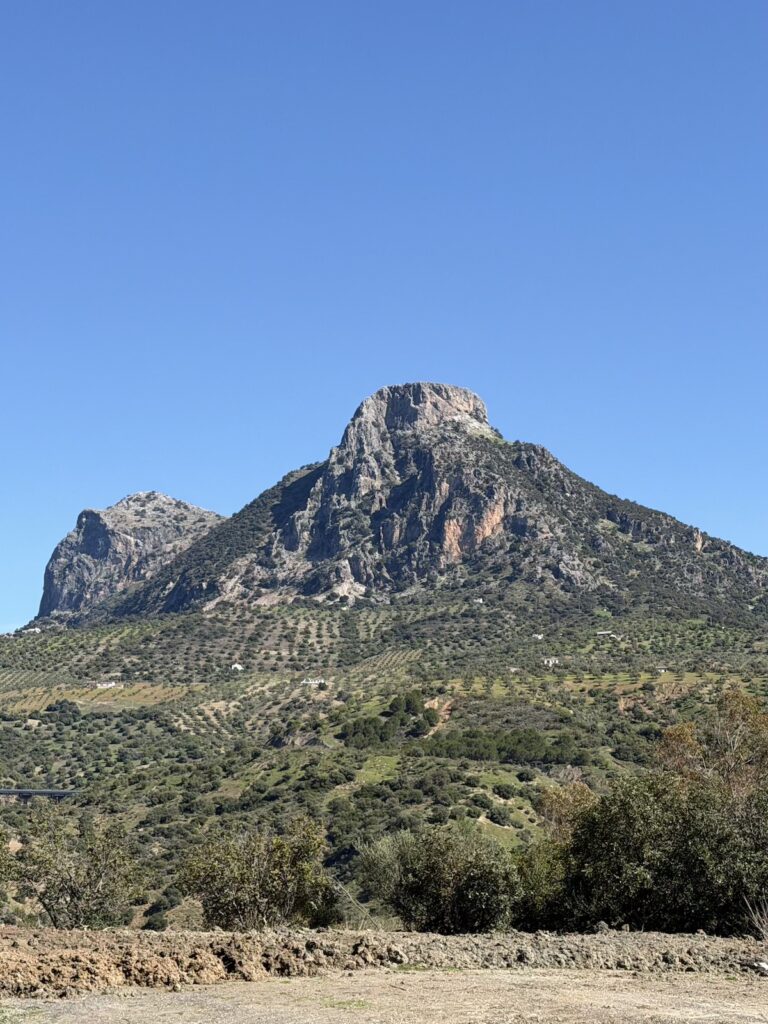
mountains of Andalucia
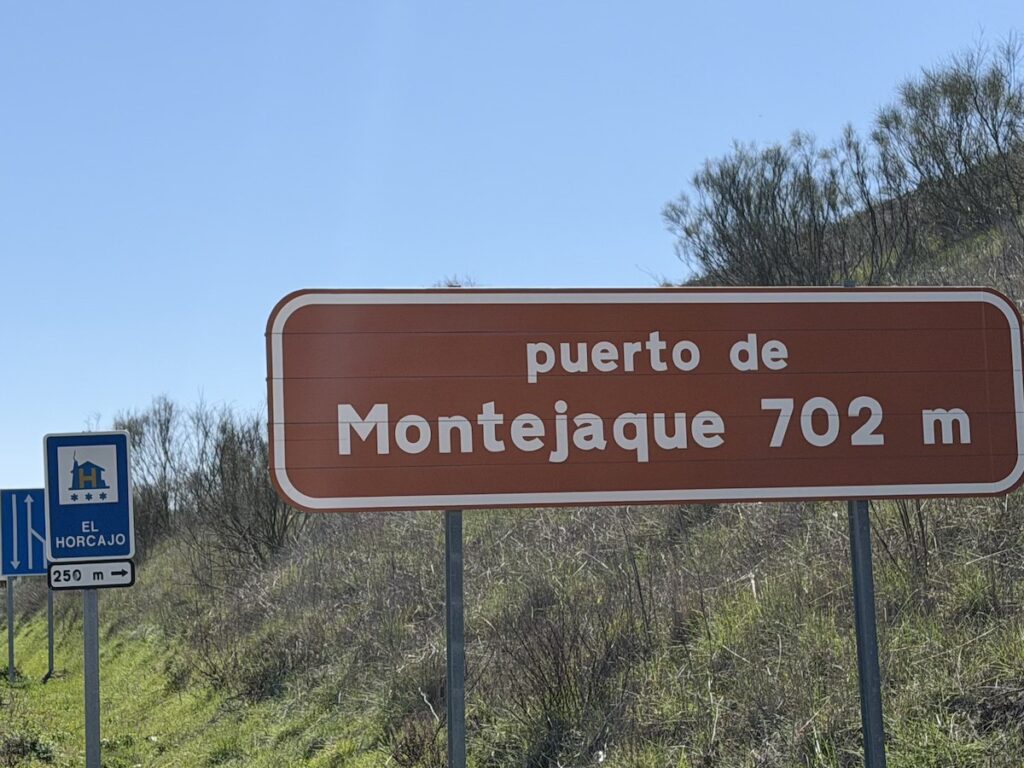
another mountain pass we had to climb
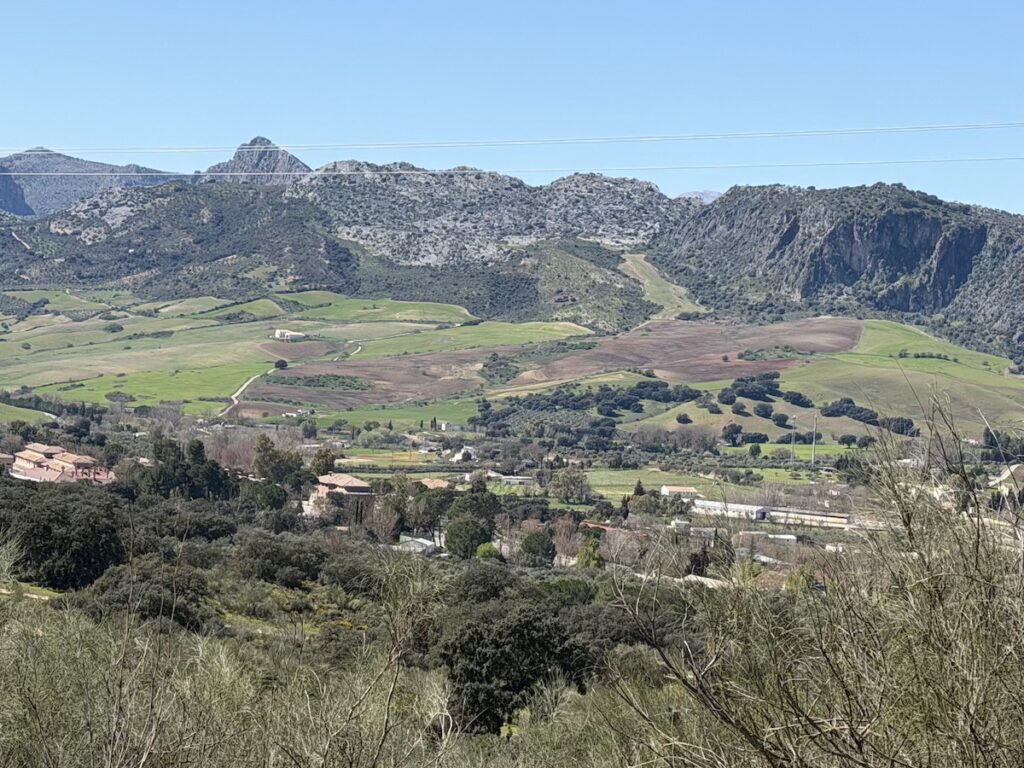
mountains of Andalucia

Emi riding into Ronda

Ronda
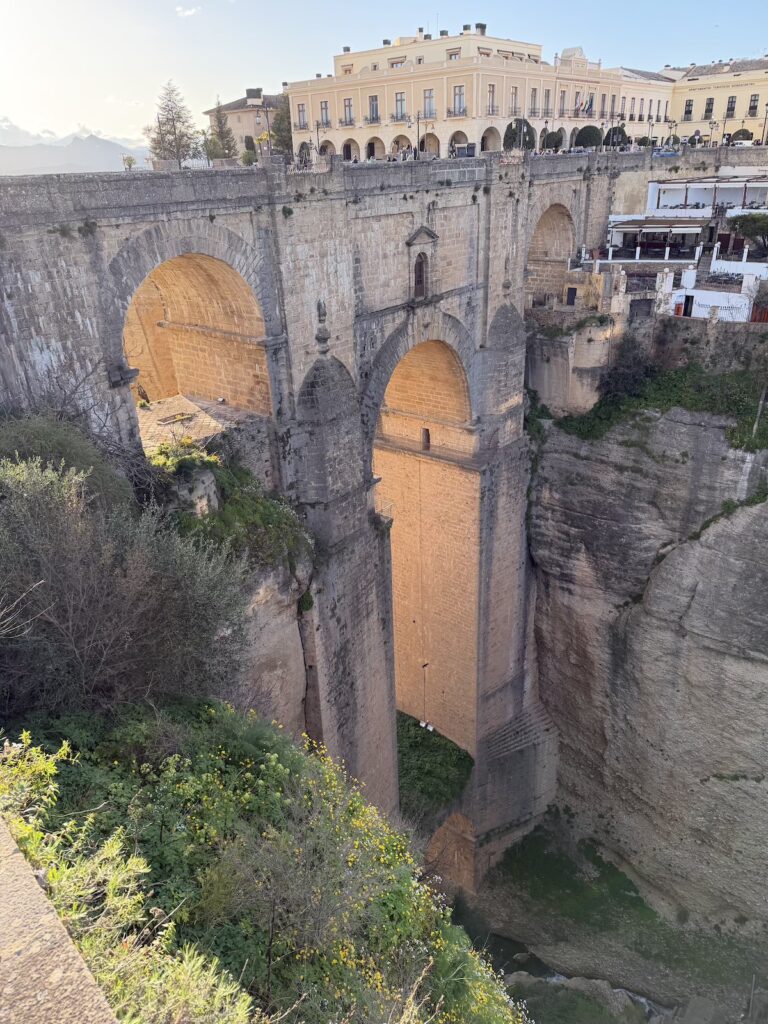
Puente Nuevo – Ronda